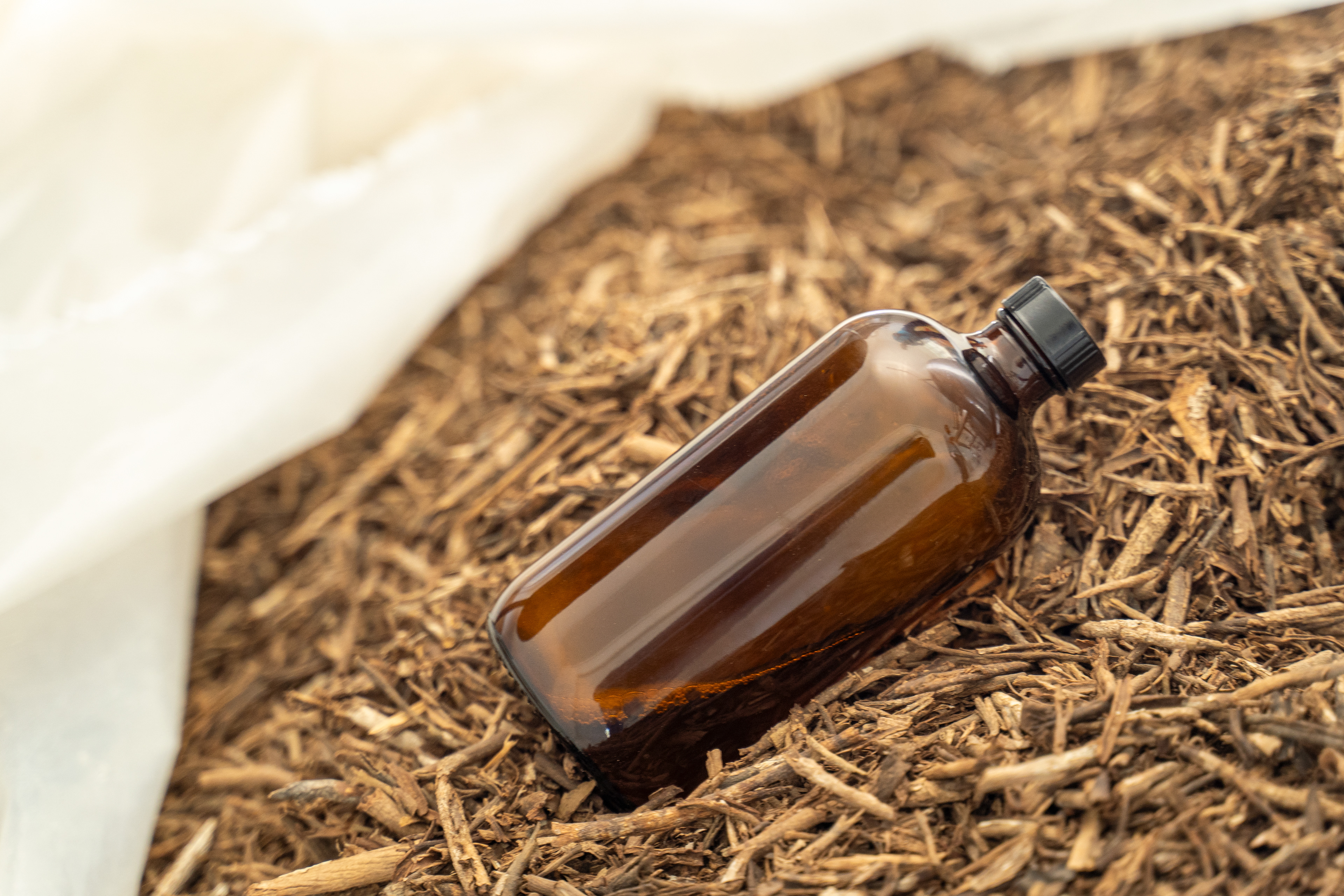
Cascarilla, a modest-looking plant native to the northern Caribbean, provides an essential but little-known ingredient in cocktail bars around the world. The oil found in its bark gives the spicy, herby flavors to the aperitif Campari, which is used to make popular drinks like the Negroni and Boulevardier. Few people know that Cascarilla is harvested primarily on a handful of islands in the Bahamas, and that the high global demand and surging prices for the plant’s bark now threaten to push it – along with the livelihoods it sustains – beyond nature’s limits.
Video, Photo and written article done myself for UNEP. Published internationally by Reuters.
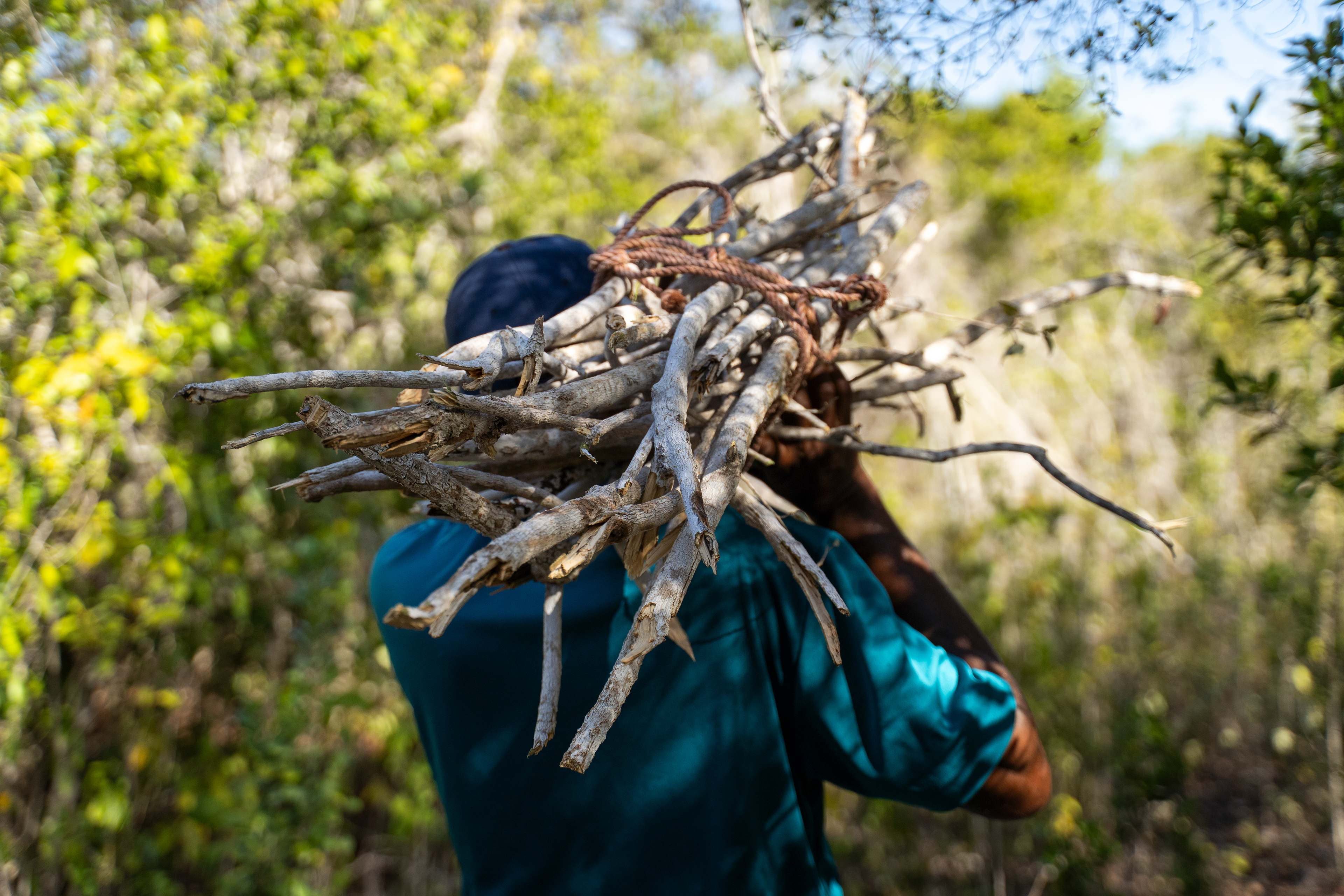
In The Bahamas, harvesting the bark of the Cascarilla plant is a booming industry. In order to locate the plant, harvesters must hack their way through dense scrubland; an unforgiving exercise that islanders colloquially call a ‘ramble.’
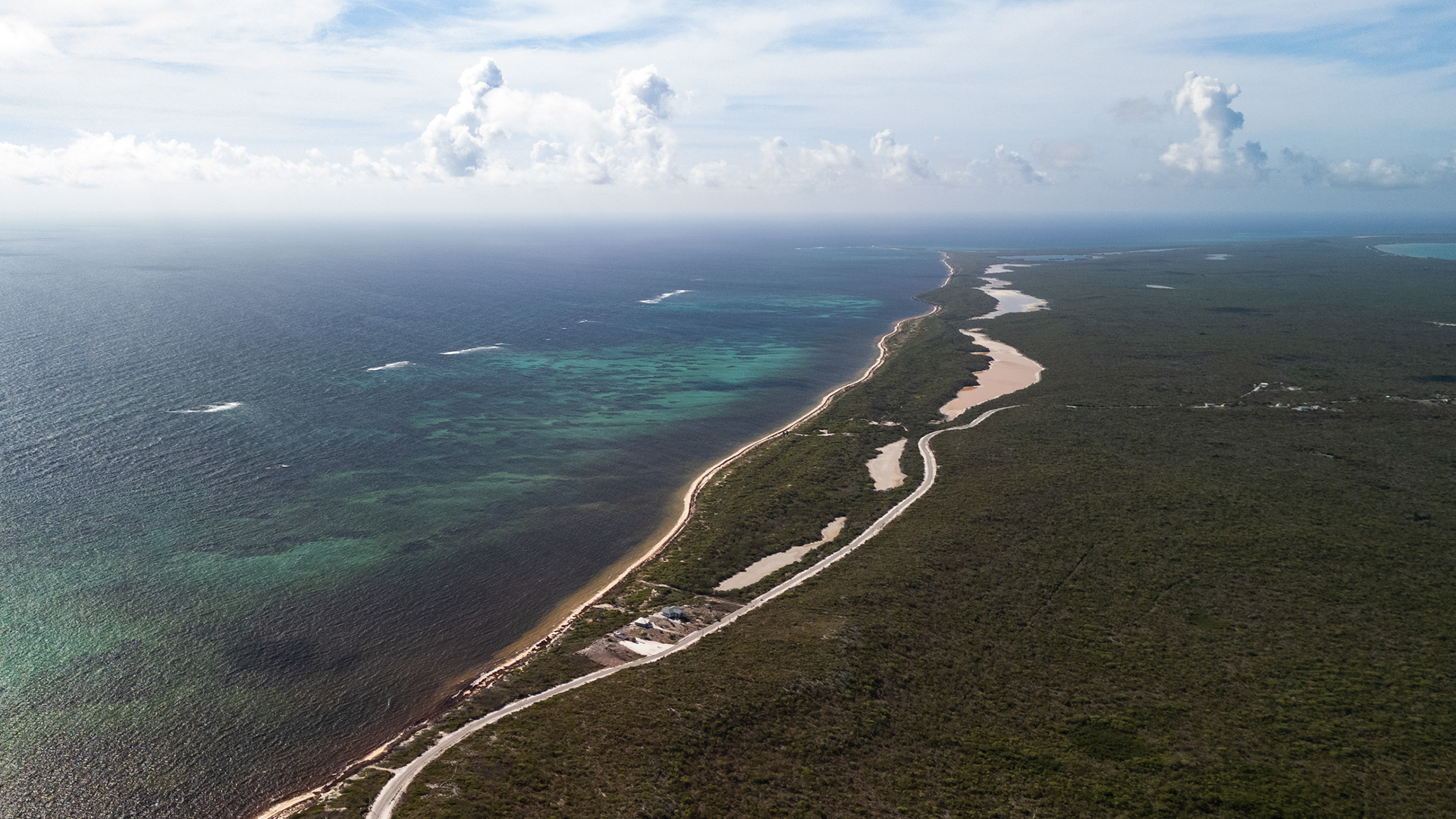
The southeastern islands of The Bahamas, such as Acklins, are off the beaten track of most visitors. Most of Acklins’ 400 square kilometres is covered by scrubland, offering few economic opportunities for its residents, which number less than 1,000.
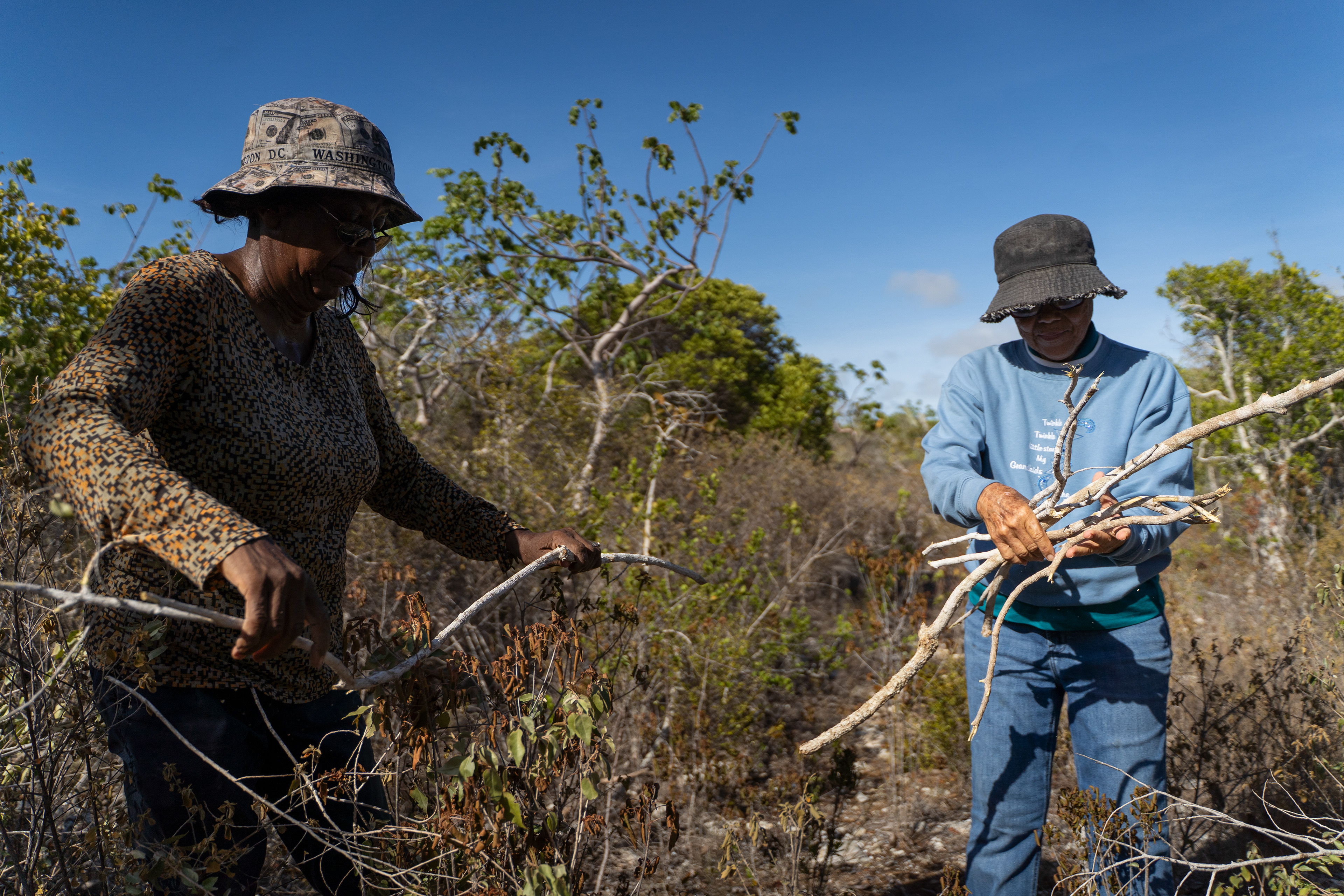
Once found, the branches of the cascarilla tree are cut. If done correctly, 4–6-inch stumps are left so the tree can regrow and be harvested again within a couple of years.
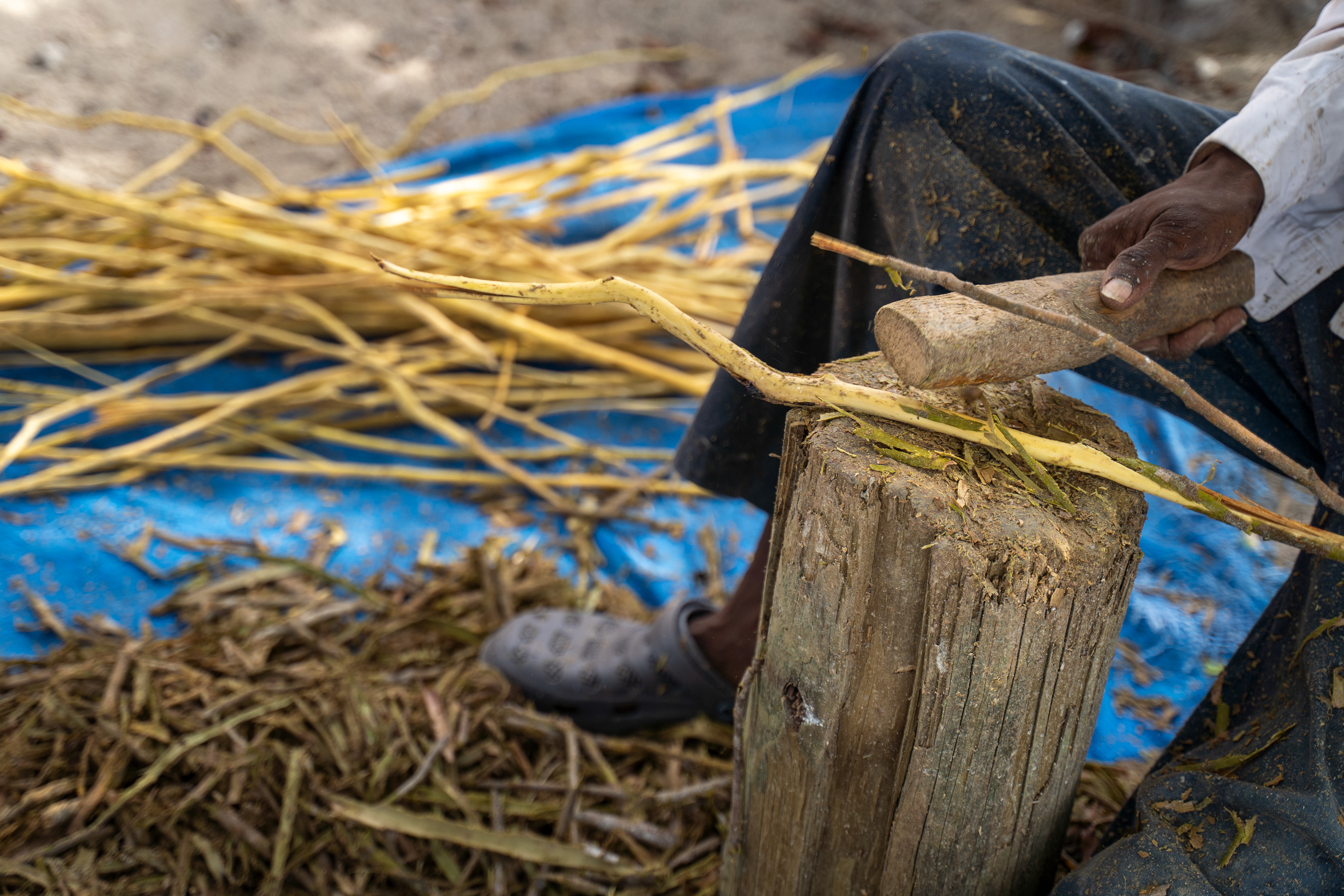
After being carried back, the sticks are then soaked in water, allowing the bark to be easily removed with a wooden stick and then dried in the sun.
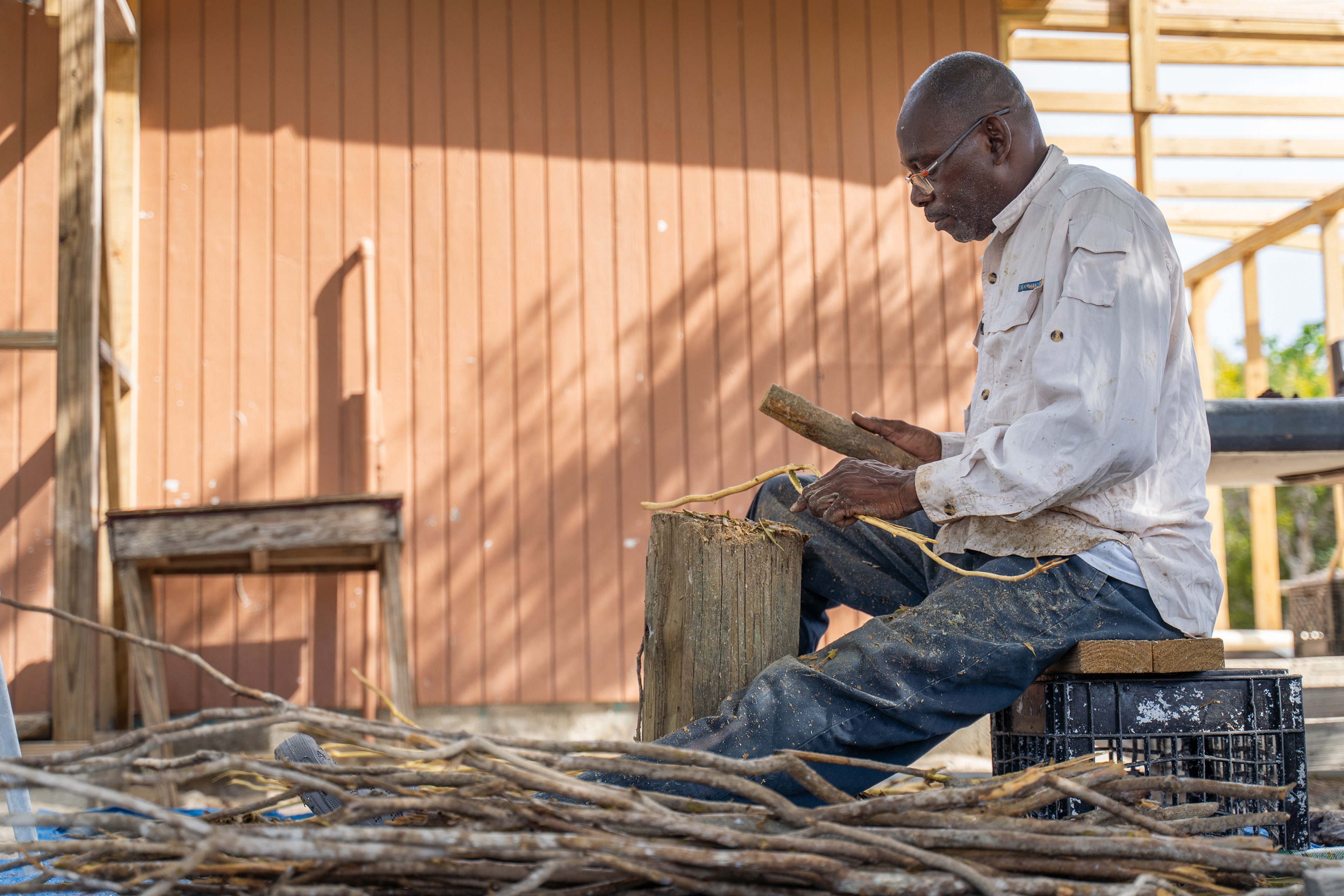
In recent years, a rise in global demand for Cascarilla has prompted new buyers to enter the market, leading to a sharp increase in prices from around US$5 per pound in 2023 to US$15 this year.
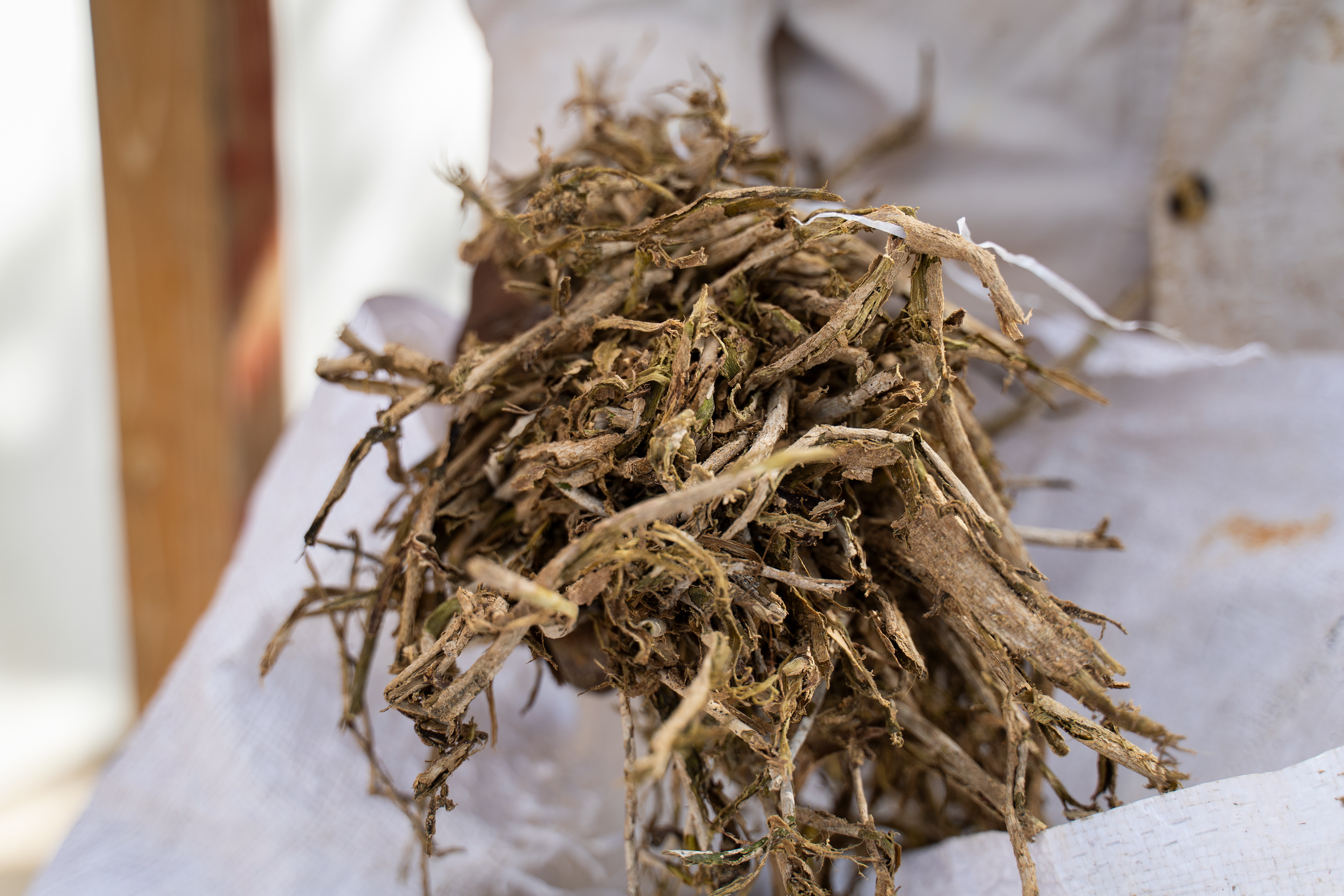
Dried bark is bagged and sold on to the global supply chain, where it’s unique flavor compounds and oils are used in everything from perfumes to medicine.
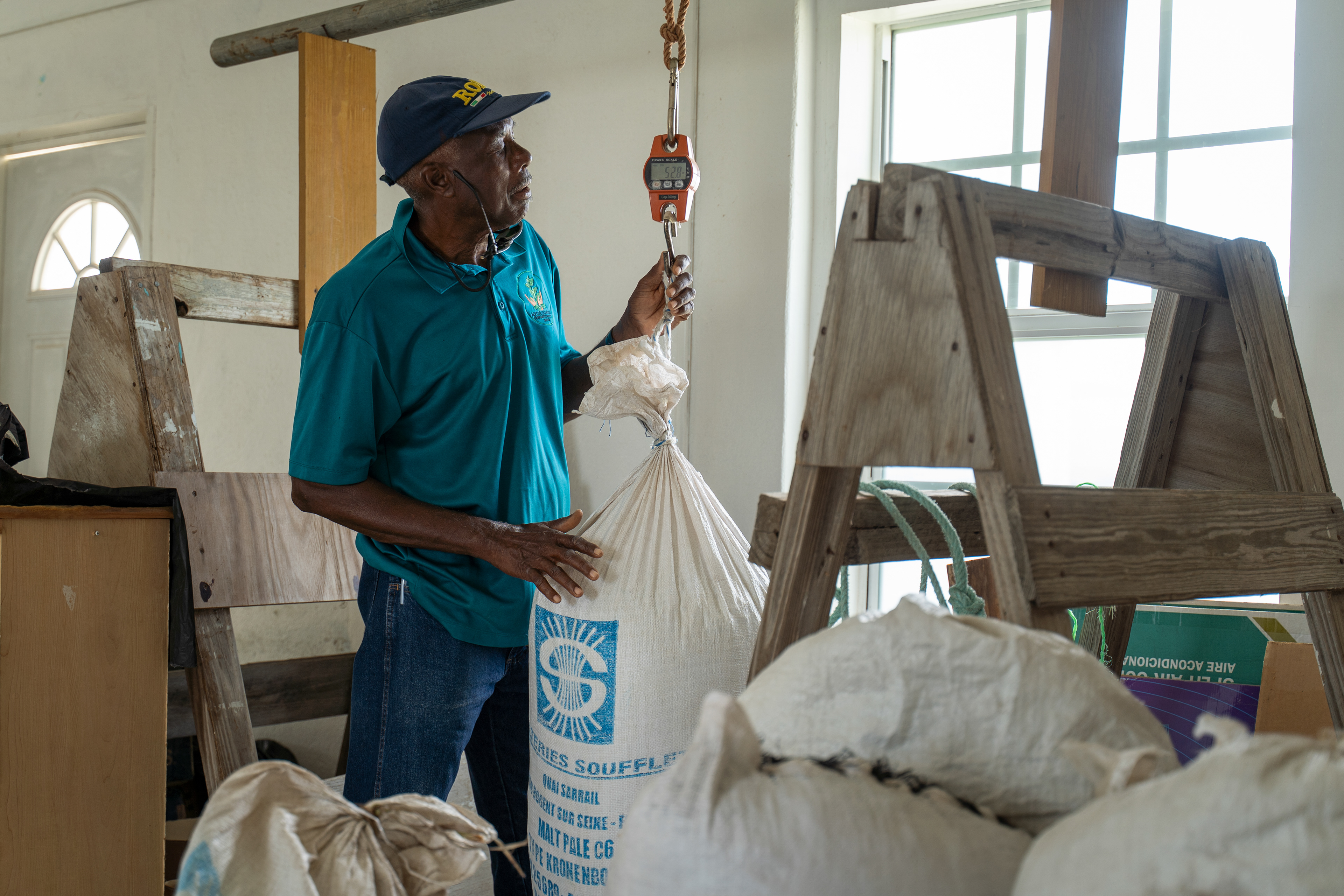
“Living in Acklins is hard. Nothing grows easily,” said Williamson, a 71-year-old native of the island.